When “we can manage at home” starts to feel uncertain
Most families in Malaysia start elder care the same way. A daughter moves her schedule around, a son drops by after work, and a part-time helper covers a few mornings. It works until something shifts: a fall in the bathroom, a hospital stay, or a parent who starts forgetting meals. Then the family meeting begins, often in a hospital corridor, and the choice seems to be between doing more at home or moving Mum or Dad into a facility.
It is rarely that simple, and it does not have to be decided in one evening. This piece walks through what each option looks like day to day, the questions that separate them, and how families in the Klang Valley and Johor Bahru can test a plan before committing.
Care at home: what a typical week can include
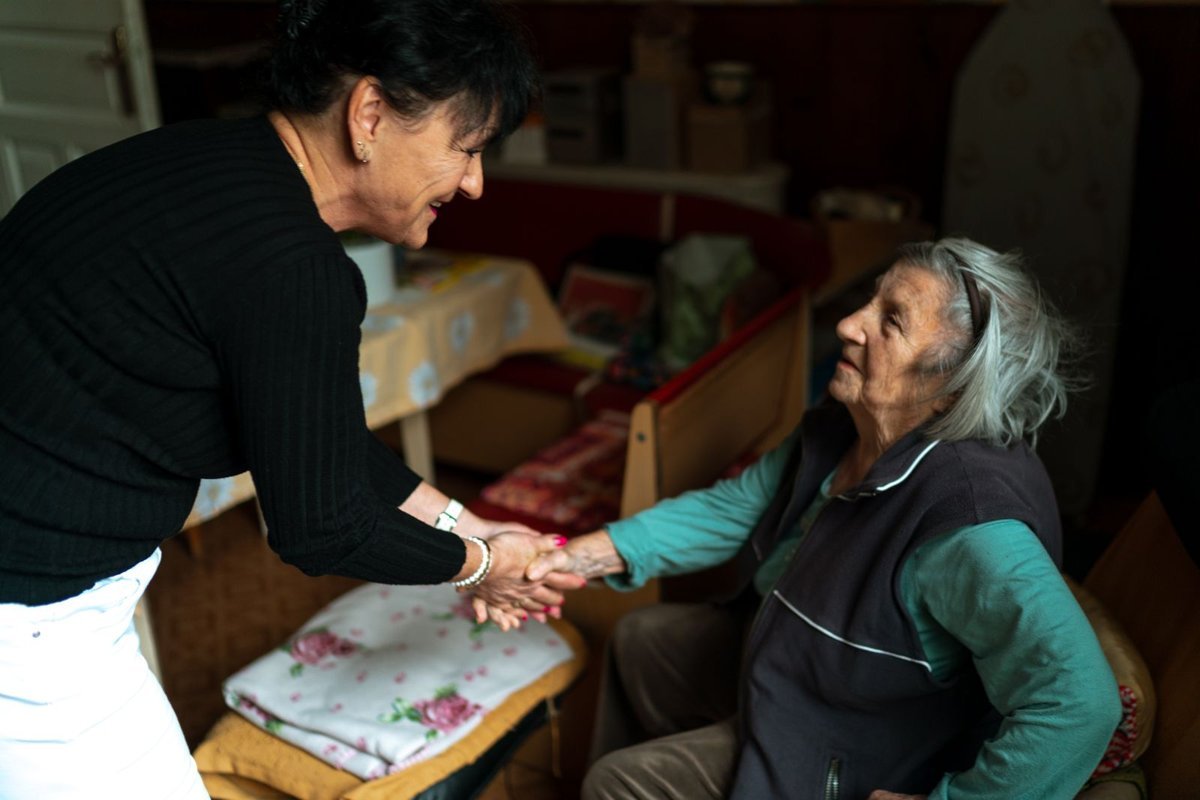
Home care keeps a parent in familiar surroundings. Depending on needs, a trained caregiver may help with bathing, dressing, meals and medicines, while a nurse handles wound dressing, tube feeding or checking blood sugar. Some families book a few hours a day, others arrange live-in support. If you are comparing options, look at how providers describe carers who visit and assist at home and match that list against what your parent actually struggles with.
The US National Institute on Aging’s guide What Is Long-Term Care? describes home based care as help with daily activities such as bathing, dressing, eating and taking medications, and notes that paid nurses and aides can add to what family members already do. That matches the reality for many Malaysian households, where family remains the core and paid help fills gaps.
Where home care stops being enough
Home care works best when the house is safe and someone can coordinate. It becomes harder when a parent needs help through the night, needs two people to transfer from bed to chair, or wanders. Caregiver burnout is real as well. If the main family carer is losing sleep, missing work and snapping at everyone, that is useful information, not a personal failure.
At that point a residential setting can provide what a home cannot: staff on every shift, nursing oversight and a routine built around care. Families in Kuala Lumpur and Selangor often start by visiting a residential nursing setting in the Klang Valley close to the relative who will visit most, because frequent visits matter more than a nicer lobby further away.
Checking a facility properly
Malaysia regulates residential care. The Department of Social Welfare’s introduction to care centres (in Malay) explains that under the Care Centres Act 1993, premises that take in four or more people as residents must be registered, and that running an unregistered centre is an offence. Ask to see the registration or licence certificate, and check its expiry date.
Then look at the everyday things. Is there a nurse on duty at night? How are medicines stored and recorded? What happens if a resident falls? How often are families updated? Visit at mealtime, not only during a scheduled tour.
A short news segment on how families can approach care decisions for ageing parents.
Johor Bahru and families living across the causeway
JB has its own pattern. Many families have children working in Singapore and a parent in Johor, so travel time across the checkpoint shapes every plan. A facility close to the CIQ or the second link can mean a weekday evening visit instead of only weekends. For relatives weighing a centre on the Johor side of the causeway, ask how the team communicates with family abroad and how hospital transfers are arranged.
Try a plan before you lock it in
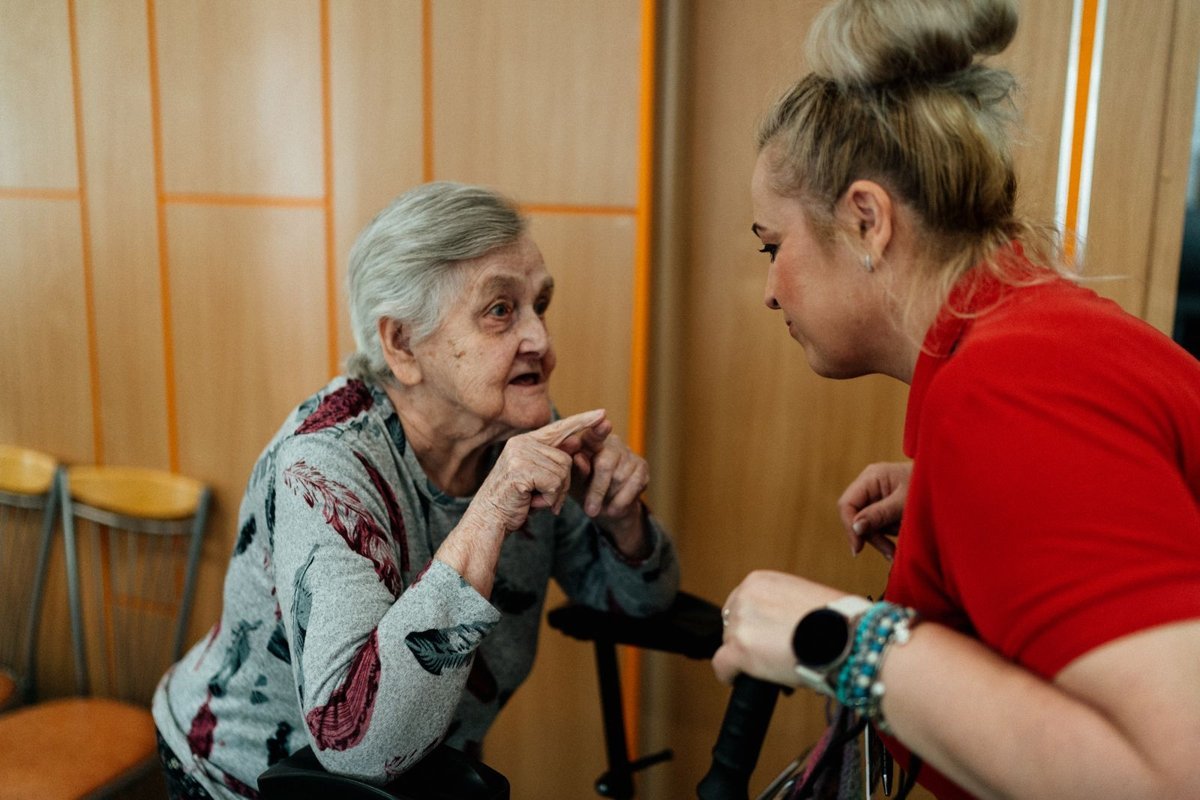
Keep a two week care diary: what help was needed, at what hour, and who gave it. Many families find the pattern makes the answer clear. If needs cluster in the daytime, more home support may be enough. If nights and transfers dominate, a short respite stay in a residential setting is a gentle way to test the change. Above all, include your parent in the decision for as long as they are able to take part.
Related Posts

Beauty By Herb: Elevate Your Skincare, Elevate Your Life
In today’s fast-paced world, self-care is more important than ever.…

When Headaches Need a Neurology Review in Malaysia
Most headaches are ordinary. Some are not. Headache diaries fill…

Beauty By Herb: The Natural Path to Radiant Skin
In a world where beauty routines often rely on synthetic…