Singapore supplement shelves reward slow reading
Walk into a wellness shop in Singapore on a weekend and the labels still move faster than the science. Sheep placenta extracts sit near skin-brightening blends, and NMN bottles borrow language from longevity podcasts. None of that packaging is a clinical diagnosis, and Singapore’s rules still treat health supplements differently from registered medicines.
This guide stays informational. It does not claim that placenta products treat disease, that brightening capsules reverse pigmentation on a timetable, or that NMN reverses ageing. Those are marketing habits worth resisting.
How HSA frames health supplements
The Health Sciences Authority explains that health supplements in Singapore are meant to support or maintain health. They are not licensed as treatments for disease. Sellers still have duties around truthful labelling and prohibited claims, which is why HSA also publishes broader consumer safety advice for people comparing products online.
A practical habit is to separate three questions: what ingredient is named, what human evidence exists for that ingredient at a similar dose, and what the label is carefully not allowed to promise. If a page blurs those three, put the bottle down.
Online marketplaces make that blur easier. Screenshot the claim before it disappears in a redesign, and keep the batch or lot number if you later need to ask a pharmacist a precise question.
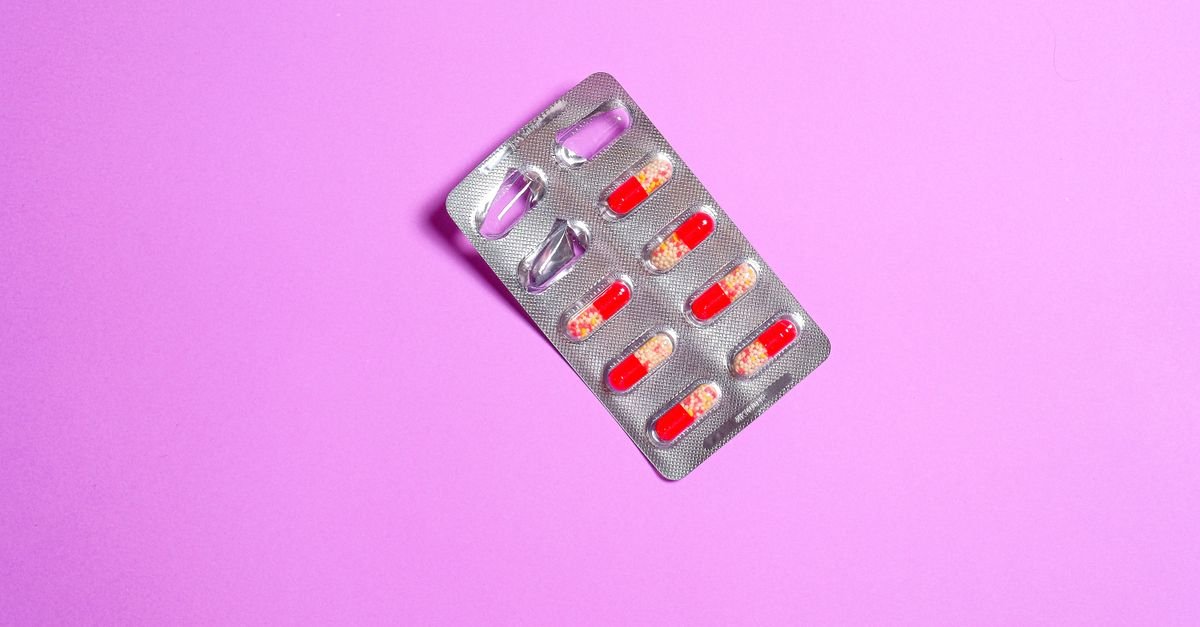
Sheep placenta products: curiosity versus claims
Placenta-derived supplements appear in several Asian markets as beauty or vitality products. Ingredient stories vary by processing method, and published human evidence is uneven. That uncertainty is the story, not a footnote.
Category pages such as a sheep placenta supplement listing for Singapore are useful for seeing how brands describe origin and format. Read them next to independent explainers, not instead of them. If a friend describes a dramatic cure, treat that as anecdote.
Also watch for stacking: a placenta capsule plus a collagen drink plus a brightening tablet can turn into a crowded routine with overlapping marketing stories and little dose clarity. Write the stack on one line before you add another bottle.
A plain walk-through of dietary supplement label sections, serving sizes and claim language.
Skin-brightening and NMN language to handle carefully
Skin nutrition supplements often mention antioxidants, carotenoids or other nutrients linked to skin appearance in limited studies. Glow is subjective, sun behaviour still dominates pigmentation risk, and topical care is a separate conversation. Overviews of skin brightening supplement ranges should be read as product maps, not outcome guarantees.
NMN (nicotinamide mononucleotide) shows up in longevity marketing because it sits on a biochemical pathway related to NAD. Early research is active; large long-term outcome trials in healthy people are still limited. The US NCCIH overview of dietary and herbal supplements is a sober reminder that popular does not mean proven. Browse an NMN longevity supplement category with the same scepticism you would bring to any new capsule.
Be especially wary of phrases that sound like reverse ageing, disease treatment or guaranteed pigment fade. Those lines are where supplement talk slides toward medicine talk, which is exactly the boundary HSA draws for a reason.
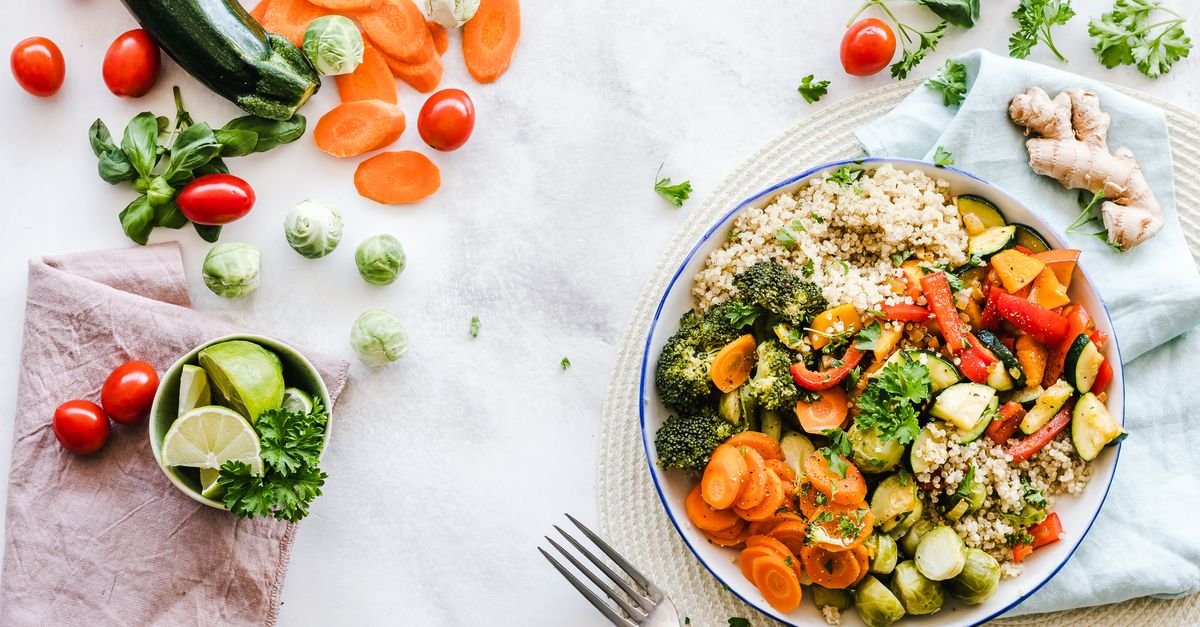
A weekend label audit you can actually finish
Pick two bottles you already own. Write the active ingredient, the dose per serving, and any disease-sounding verb on the pack. Cross those verbs against HSA’s supplement framing. If your GP or pharmacist would raise an eyebrow, ask them before you restock.
If you take prescription medicines, bring the list to the same conversation. Interactions and overlapping vitamin doses are ordinary problems that exciting longevity branding tends to skip.
That small audit will not make anyone immortal. It will make the next Singapore wellness purchase slower, cheaper and harder to overclaim.
Related Posts
Lot Kedai Cybersouth: Panduan Pembeli
Kedudukan Cybersouth dan aliran trafik sekitar lot kedai Cybersouth terletak…

Beauty By Herb: Elevate Your Skincare, Elevate Your Life
In today’s fast-paced world, self-care is more important than ever.…

Beauty By Herb: The Natural Path to Radiant Skin
In a world where beauty routines often rely on synthetic…